



“AI is going to scale much more quickly because you have these generations that have a proclivity to technology. They understand it. They use it. It is oxygen to them." - Emily Ketchen
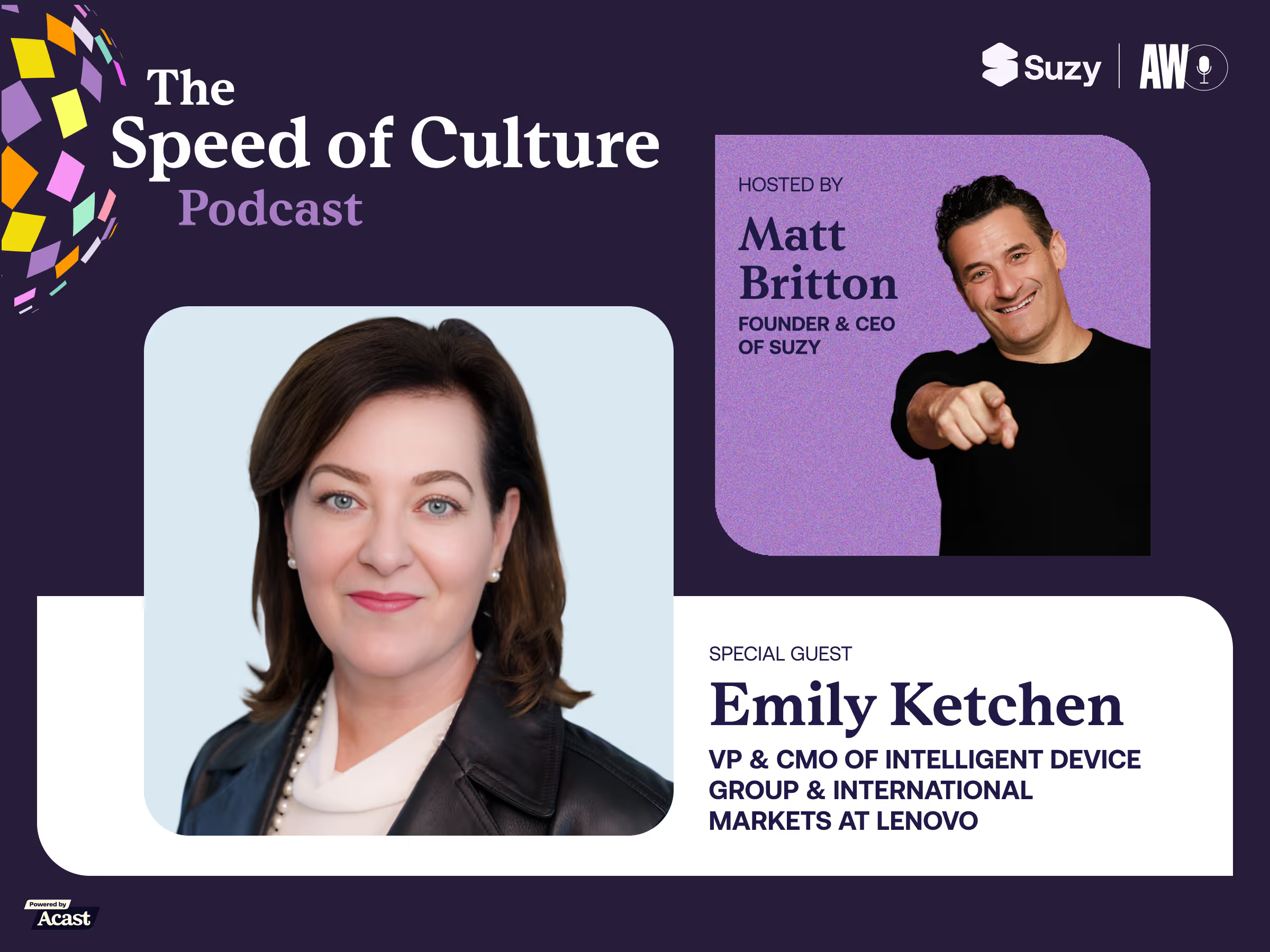
AI is evolving faster than ever, transforming the way we work, create, and connect. As VP & CMO of Intelligent Devices Group and International Markets at Lenovo, Emily Ketchen is leading this shift—driving AI-powered devices, enhancing personalization, and seamlessly integrating new technology into everyday life. In this episode, she breaks down why AI isn’t just an upgrade—it’s a game-changer for business, marketing, and personal computing. From boosting performance and privacy with on-device intelligence to building adaptive, interconnected ecosystems, Emily shares what’s next for AI, how brands can stay ahead, and why embracing it now is key to shaping the future.
Emily Ketchen is the VP & CMO of Intelligent Devices Group and International Markets at Lenovo, overseeing global brand strategy, marketing innovation, and AI-driven personalization. With extensive experience across consumer and enterprise technology, Emily has played a pivotal role in positioning Lenovo as a leader in smarter devices and computing solutions. Her expertise spans brand storytelling, product marketing, and digital transformation, making her a key voice in the evolution of AI-powered personal computing.
Tune into the latest episode or read the transcript below to learn more. Here are some top takeaways:
Prioritizing Responsible AI: A Shift from Cloud to Device
AI is completely redefining personal computing at a speed we’ve never seen before. Unlike previous tech shifts like the internet or mobile, AI is moving from cloud-based processing to running directly on devices, unlocking better performance, privacy, and productivity. This shift is already fueling a new buying cycle for PCs and laptops, as users demand on-device AI that doesn’t rely on cloud connectivity. But with this power comes responsibility—Emily emphasizes that companies must prioritize ethical AI, governance, and user education to ensure responsible implementation.
The Future of Work: AI Won’t Replace You—It Will Redefine Your Role
AI isn’t taking jobs—it’s changing how we work. By automating repetitive tasks, it frees up time for creativity, strategy, and decision-making. The real risk isn’t automation itself but failing to adapt. Those who embrace AI will gain a competitive edge, while those who resist may fall behind. Success in this new era isn’t about working harder—it’s about working smarter. AI can enhance problem-solving, boost productivity, and drive innovation. As industries evolve at record speed, professionals who master AI will shape the future instead of reacting to it.
The Future of Computing: It’s Not Just About Laptops Anymore
Lenovo is redefining computers—pioneering multi-device ecosystems where PCs, wearables, and mobile devices work seamlessly together. With rollable screens and AI-driven personalization, computing is becoming more fluid, flexible, and intuitive. Emily emphasizes that the future isn’t about a single device—it’s about creating a network of technology that works in sync, allowing users to transition effortlessly between screens while maintaining context and productivity.
Lenovo is Winning With Cultural Relevance—From F1 to FIFA
Today’s most successful technology brands are embedding themselves in culture, sports, and entertainment. Lenovo’s partnerships with Formula 1 and FIFA aren’t just sponsorships; they’re strategic moves to tap into fast-growing, highly engaged fanbases. With Gen Z and women piloting explosive interest in these sports, Lenovo is aligning itself with the precision, innovation, and adrenaline of F1 and the global passion of FIFA. Emily sees these collaborations as more than just brand visibility—they’re about positioning Lenovo as a tech leader in spaces where performance, speed, and global reach matter most.
The Modern CMO is a Growth Architect—Not Just a Storyteller
Marketing has shifted from being a brand-building function to a core business driver, where performance is as critical as creativity. Emily sees today’s CMO as someone who balances innovation with revenue impact, ensuring that every campaign, data insight, and customer touchpoint contributes to the company’s bottom line. The best marketers today aren’t just crafting compelling narratives—they’re translating them into measurable business success through AI-driven personalization, strategic decision-making, and an obsessive focus on customer experience. For Emily, the role of marketing is clear: creativity fuels differentiation, but growth is the ultimate job.