


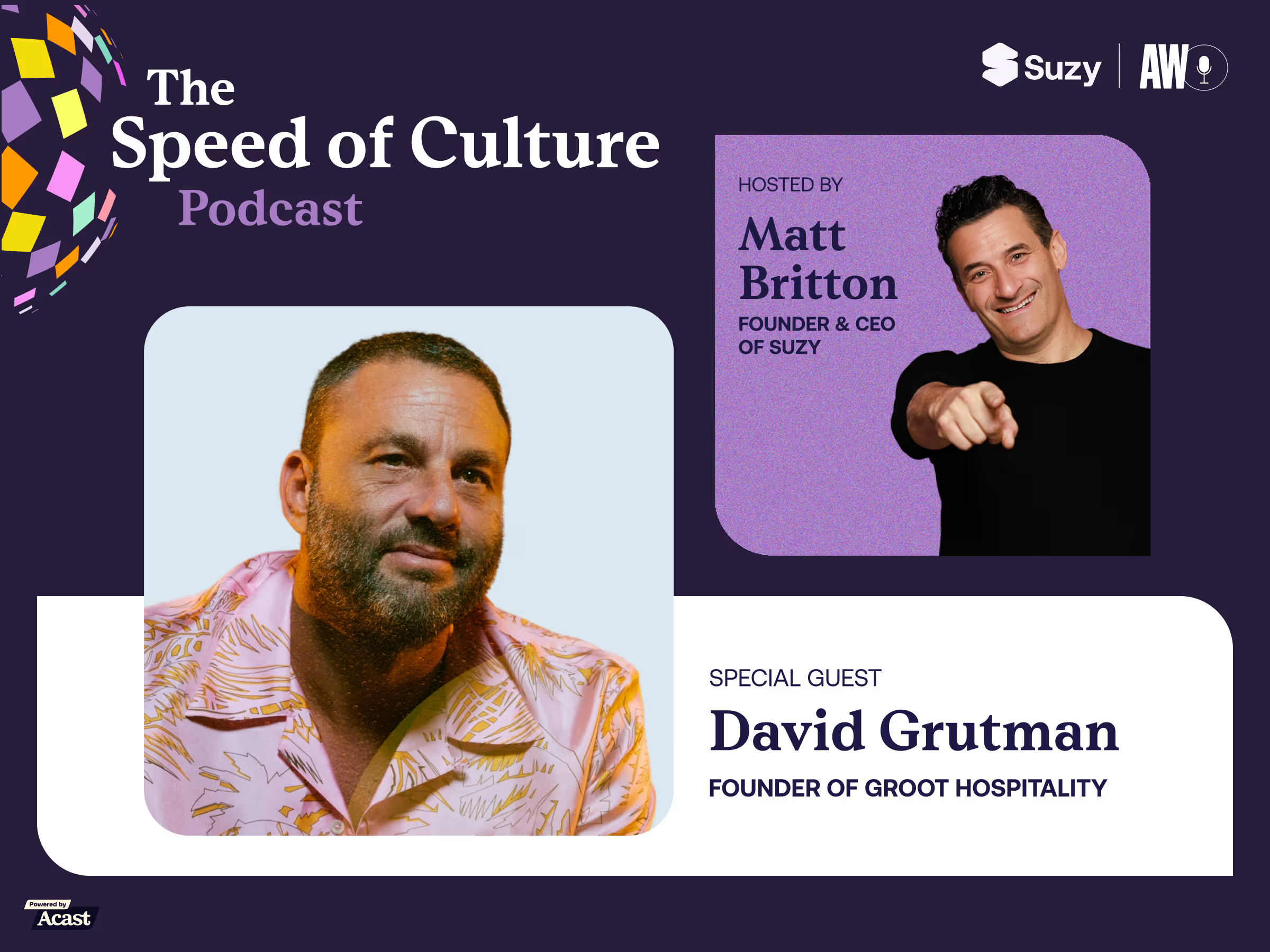

“I take things so personal… that’s why I think I’m successful.” – David Grutman
In hospitality, success comes from consistently creating experiences people remember. And building relationships that bring those experiences to life.
On this episode of The Speed of Culture, Matt Britton sits down with David Grutman, the entrepreneur behind some of Miami’s most recognizable nightlife and dining destinations. Known for transforming the city into a global hospitality hub, Grutman has built a career around understanding how culture, relationships, and experience intersect.
The conversation moves beyond nightlife and restaurants to explore something bigger: how hospitality has evolved into a cultural platform where entertainment, consumer brands, and communities come together.
Tune into the latest episode or read the transcript below to learn more. Here are some of the key insights from the discussion.
Hospitality Is Really the Business of Experiences
Great hospitality is often invisible when it’s done right. Guests walk into a venue, hear the music, see the lighting, feel the energy in the room, and experience it all as a single moment. What they rarely see is the orchestration happening behind the scenes.
Grutman describes events as a puzzle made up of dozens of elements like music, lighting, performances, service, and atmosphere, that must come together seamlessly. When everything works, the experience feels effortless. But creating that feeling requires relentless attention to detail.
That obsession with the experience has become one of the defining characteristics of modern hospitality. In an era where consumers value experiences as much as products, venues are no longer just physical locations. They are environments designed to create memories, social moments, and cultural relevance. For entrepreneurs in the space, the challenge is not simply running a restaurant or nightclub. It’s designing moments that people want to be part of.
Why Authentic Relationships Beat “Networking”
In business conversations, networking is often presented as a necessary skill for success.
Grutman sees it differently.
He openly rejects the idea of approaching interactions with a transactional mindset. Instead of trying to meet as many people as possible, his focus has always been on building authentic relationships over time.
That philosophy has shaped the way he interacts with everyone in a room, from global celebrities to the people sitting beside them at dinner. Rather than focusing attention on the most famous person present, he believes in engaging with everyone equally.
This mindset has played a major role in building the network that surrounds his businesses today. From athletes and entertainers to founders and investors, the relationships that power Grutman’s ecosystem didn’t start as strategic opportunities. They grew out of genuine conversations and shared experiences.
Over time, those relationships compound. And in hospitality, which is an industry built on human interaction, that authenticity often becomes one of the most valuable assets a founder can have.
Scaling Hospitality Through Culture and Community
One of the biggest challenges in hospitality is scale.
Unlike many industries, where growth can be driven primarily by technology or infrastructure, hospitality relies heavily on human presence and atmosphere. A venue’s success is often tied to the personalities and relationships that surround it.
Grutman addressed this challenge by building a team that acts as an extension of the brand itself. Many members of his team have developed their own social presence and networks, becoming recognizable faces within the venues they help operate. This approach creates a broader ecosystem of personalities that represent the brand even when Grutman himself isn’t in the room.
And the result is a culture-driven model of growth.
Instead of relying on a single founder to maintain the energy of a brand, the culture becomes shared among a group of people who collectively shape the experience. In many ways, this mirrors how modern consumer brands grow today. Culture spreads through communities, personalities, and shared experiences.
From Hospitality Venues to Consumer Brand Ecosystems
In recent years, Grutman has expanded his focus beyond nightlife and restaurants into investing in emerging consumer brands.
That shift reflects a broader trend across the hospitality and entertainment industries. Founders who build strong cultural platforms often find themselves in a unique position to influence new brands.
For Grutman, the transition began during the pandemic when he started working more closely with consumer founders and investors. Through those conversations, he discovered a new way to apply his experience.
Instead of simply investing capital, he helps founders accelerate their growth by providing something equally valuable: access to networks, visibility, and cultural credibility.
The process mirrors the relationship-driven approach that shaped his hospitality career.
By focusing on collaboration rather than pure investment returns, Grutman sees himself as part of the brand-building process alongside founders. The reward, he says, is seeing entrepreneurs reach milestones they once thought were impossible.
That perspective reflects a broader shift happening across entrepreneurship today. As ecosystems grow more interconnected, success increasingly comes from helping others succeed faster.
What This Means for Builders and Entrepreneurs
While the conversation covers nightlife, consumer brands, and entertainment, the lessons extend far beyond hospitality.
Grutman’s career highlights several principles that apply across industries:
Experiences matter more than ever: In a world saturated with digital content, real-world experiences have become powerful drivers of culture and brand loyalty.
Relationships compound over time: Authentic connections often lead to opportunities that transactional networking never will.
Attention to detail defines great brands: The difference between a good experience and a memorable one often comes down to the small details people rarely notice individually.
Success is a long game: The most valuable outcomes in business, which are trust, reputation, and influence, develop slowly through consistent effort.
For entrepreneurs navigating today’s fast-moving culture economy, these lessons offer an important reminder. Technology, marketing, and strategy all play critical roles in building modern businesses. But at the center of many successful ventures remains something much simpler: people.