



Why the Best Brands Act Like Great Dinner Party Hosts
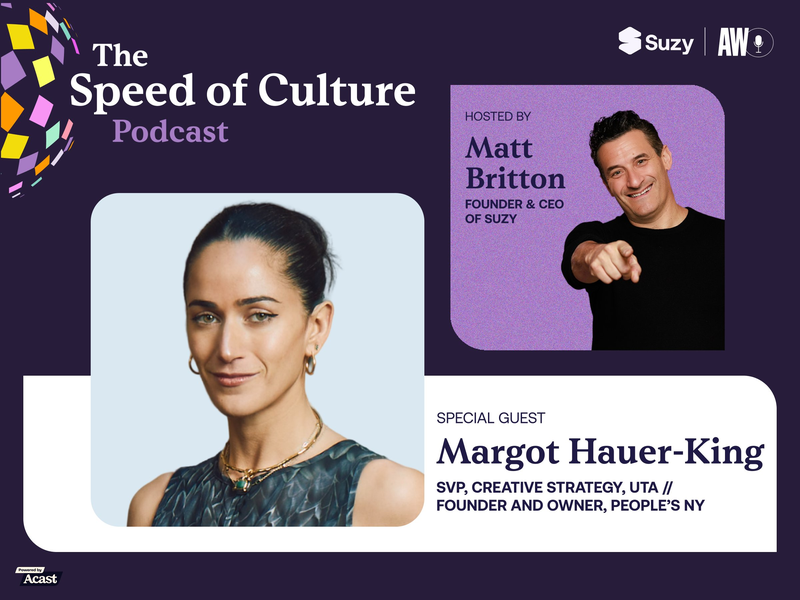
The traditional way of broadcasting a message to consumers is being replaced by a more nuanced approach rooted in hospitality. Brands are no longer just sellers; they are participants in a complex cultural landscape where the rules of engagement have shifted toward empathy and authenticity. This evolution is the focus of the latest episode of The Speed of Culture podcast, where Matt Britton talks with Margot Hauer-King,SVP Creative Strategy at United Talent Agency and Founder and Owner of People’s
Hospitality as a Business Strategy
Margot’s dual role as a creative strategist and a bar owner provides a unique vantage point on consumer behavior. She explains that building a brand in culture is remarkably similar to hosting a successful dinner party.
A good host understands their own identity while prioritizing the needs and preferences of their guests. When brands lose sight of this balance, they either broadcast a rigid message that ignores the audience or over-cater everyone and lose their sense of self.
Navigating the Pull Toward Sameness
One of the most fascinating segments of the conversation touches on the concept of carcinization, an evolutionary phenomenon where different species evolve into the same form. Margot applies this to modern culture, noting that despite the rise of micro-communities, there is an evolutionary gravity pulling people toward the same trends and styles. Recognizing this tension allows brands to understand why certain behaviors become universal and how they can offer a sense of belonging in a fragmented world.
Agility and the Power of Preparation
The ability to react to culture in real time is a competitive advantage that does not always require a massive budget. Margot points out that the best ideas are often the result of being ready rather than being expensive. By doing the deep work of self discovery and building cultural muscle, brands can jump on viral moments with authenticity. This readiness ensures that when a brand participates in a trend, it feels like a value additive contribution rather than a desperate attempt for attention.